Best Tips To Control Moisture-Loving Springtails NJ & NYC
What NJ & NYC Homeowners Need to Know About Springtail Invasion
- Springtails are not insects — they are arthropods, a completely different classification, and despite their small size and jumping ability, they are harmless to humans, pets, and home structures.
- The problem actually starts outside — TNR Exterminators targets springtail populations at the source, treating the exterior areas first because that’s where infestations start before pushing indoors.
- Moisture is the main cause — if you’re seeing springtails, you most likely have a moisture problem somewhere around your foundation, mulch beds, or inside your home that needs to be addressed.
- Treatment outside is the main strategy — once springtails move indoors, they become much harder to eliminate, which is why it’s best to get ahead of them before they enter.
- NJ & NYC homeowners are seeing record numbers — heavy spring rainfall and saturated soil conditions are causing huge springtail population booms, and knowing exactly where to look and what to do can stop them before they overrun your home.
If you’re suddenly seeing hundreds of tiny jumping specks crawling across your patio, windows, or basement floor, you’re not hallucinating — springtails are exploding across New Jersey and New York City, and most homeowners have no idea what they’re dealing with.
At TNR Exterminators, we’ve been keeping a close eye on this seasonal pattern and have been working with homeowners all over NJ and NYC to tackle springtail populations before they become a major indoor problem. The solution begins outside, as that’s where the issue originates.
Small Jumping Insects Are Taking Over NJ & NYC Residences — Here’s The Real Deal
Most individuals who see these insects instantly think fleas. It makes sense — they’re small, they jump, and they pop up out of the blue in massive quantities. But springtails are a whole different animal, and knowing what they truly are alters the way you handle them.
Understanding What Springtails Really Are (And Why They’re Not Fleas)
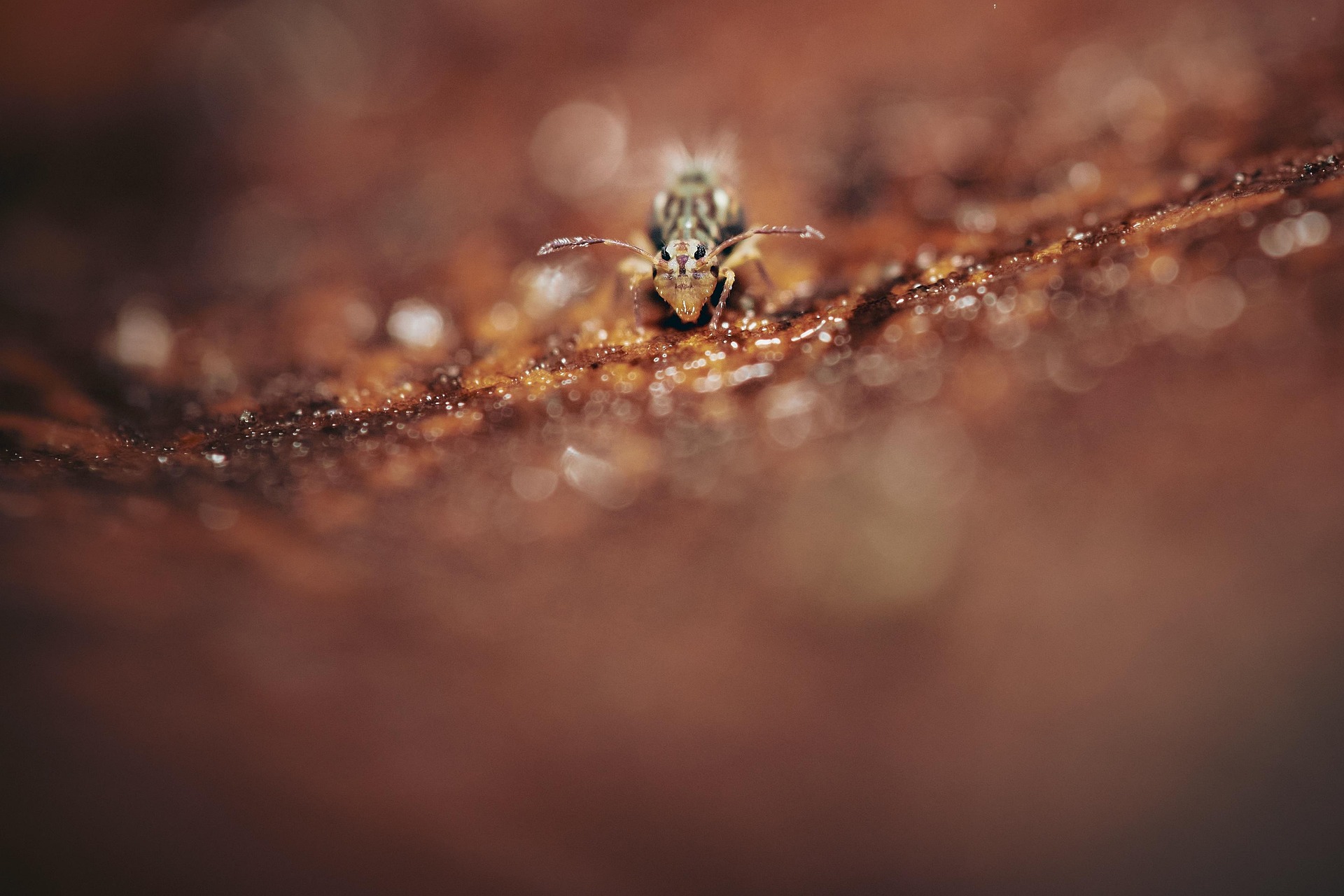
Springtails are members of the Collembola order and are arthropods, not insects. This distinction is more significant than it might initially appear. Insects have six legs and three distinct body segments, while springtails have a more primitive body structure that puts them in a separate classification within the arthropod family. They range in size from 1/32 to 1/8 inch long and are named for a forked appendage called a furcula that is hidden under their abdomen. When they feel threatened, they release this appendage like a spring, propelling them into the air.
Springtails are different from fleas because they don’t bite, they don’t feed on blood, and they don’t care about you or your pets. They eat decaying organic material, mold, algae, and fungus — that’s why they like damp places where these foods are plentiful. While they do good work outdoors by breaking down organic material and helping soil stay healthy, that doesn’t mean you want them in your house.
Why Springtails Are Infesting NJ & NYC Homes by the Hundreds
The simple answer: excessive moisture. Both New Jersey and New York City have experienced substantial amounts of rainfall and increased humidity levels in recent seasons, which are the perfect conditions for springtail populations to thrive. In 2025, social media and local NJ forums were inundated with images of “tiny jumping black bugs” seen on siding, patios, window sills, and basement walls — all of which are typical springtail behaviors during a wet spring cycle.
Where springtails are most likely to be found in NJ & NYC:
- Patios and concrete slabs after a heavy downpour
- Around the base of walls and in expansion cracks
- Window sills and door frames on lower floors
- Basement floors, particularly near drains or sump pumps
- Bathrooms with poor ventilation or slow leaks
- Around houseplants and overwatered indoor soil
- Mulch beds and leaf piles directly against the exterior of the house
This is a typical displacement pattern. When the outdoor soil becomes saturated from heavy spring rain, springtail populations in mulch beds, leaf litter, and shaded garden areas are forced out of their habitat. They migrate to the base of walls, squeeze through expansion cracks, gaps around windows, and any unsealed entry point they can find. Once inside, they head straight for the next best moist environment — your basement, bathroom, or any area with a hidden leak.
Springtails are a Symptom of a Bigger Problem: Moisture
What most pest control articles fail to state is that springtails are not the main issue. If you see springtails, it means you have a moisture problem. The two go hand in hand. If you treat the springtails without addressing the moisture problem, you’re just putting a band-aid on a wound that needs stitches. You’ll be back to square one in no time.
The Reason Behind the Surge of Springtails in NJ & NYC During Spring and Early Summer
The spring weather in New Jersey and New York City is like a mating call for springtails. The combination of cool nights, warm days, frequent rainfall, melting snow runoff, and the humidity that stays in basements and crawl spaces creates the perfect environment for their population to boom in what seems like an instant.
Why Springtails Are Driven Into Your Home by Heavy Rain and Wet Soil
Springtails aren’t trying to invade your home. They’re being forced to. After a heavy spring rain in NJ, the soil can quickly become oversaturated. The damp areas that springtails depend on for food and shelter essentially become flooded. They have to relocate. Often, the closest environment that’s still a little moist but mostly dry is the space between your mulch bed and your foundation wall.
Year after year, NJ pest control experts notice a specific pattern that triggers the arrival of springtails: heavy spring rains followed by a warm spell. The warm weather causes the outdoors to dry up rapidly on the surface, creating a moisture gradient. This means it’s wetter near foundations and in shaded areas, but drier in open spaces. Springtails are attracted to this gradient and head straight for the base of your home.
That’s why TNR Exterminators always focus on outdoor treatment first. The infestation begins outside. Only treating the inside after springtails have already moved in is a reactive approach that isn’t as effective. It’s best to tackle them outdoors – where they live and breed – before they make it inside your home.
The spring conditions that cause springtails to migrate to NJ & NYC homes:
Condition Why It Matters Heavy rain causing saturated soil Forces springtails out of their mulch and leaf litter habitats Warm temperatures following wet weather Causes rapid drying of outdoor surfaces, pushing them towards foundations High ambient humidity Enables springtails to survive and thrive in wall voids and basements Growth of mold and fungus in damp areas Offers a direct food source that attracts and retains them indoors Dense mulch beds against foundation walls Serves as a bridge habitat between outdoor populations and your home
Where They Settle Indoors Once They Get Inside
Once springtails enter your home, they go straight to the next source of moisture. Basements with any level of humidity are a primary target. So are bathrooms, laundry rooms, kitchens with under-sink leaks, and any room with an overwatered potted plant. They are also often found in wall voids near plumbing — out of sight for you but very comfortable for them.
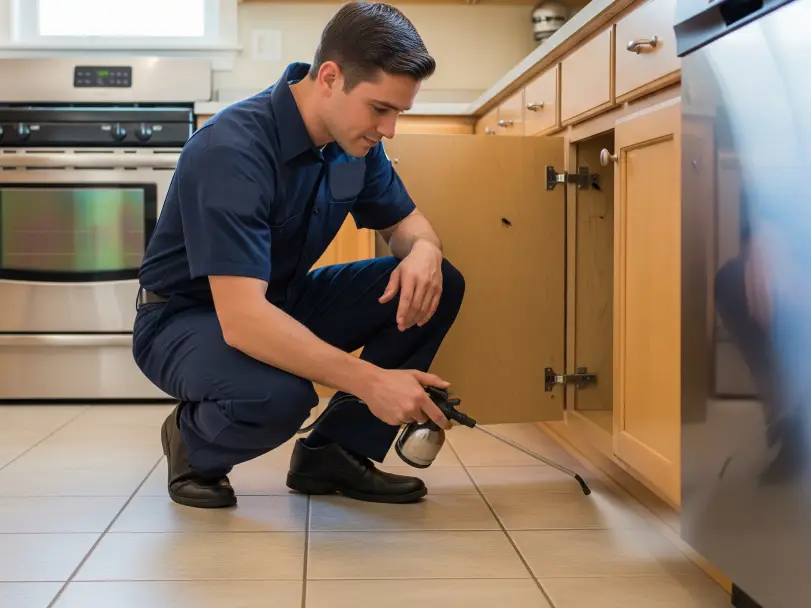
Controlling springtails becomes a lot more difficult at this stage. Indoor springtails are more challenging to deal with than outdoor ones because they have spread into tiny spaces. To get rid of them, you need to deal with hidden sources of moisture, which aren’t always easy to spot without a detailed inspection.
Should You Be Worried About Springtails?
Springtails are harmless creatures. They do not bite humans or pets, they do not carry or spread diseases, and they do not cause any damage to wood, furniture, fabric, or any other part of your house. In terms of direct harm, they are one of the least harmful arthropods you will come across as a homeowner.
Springtail Facts at a Glance:
Question Answer Do they bite? No Do they spread disease? No Do they damage wood or structures? No Are they harmful to pets? No Are they beneficial outdoors? Yes — they help decompose organic matter and improve soil health Are they welcome indoors? Definitely not
That being said, just because they’re good for the environment doesn’t mean they’re good in your home. When you start seeing a lot of springtails inside, it’s a sign that you have a moisture problem that’s so bad, it’s causing fungus and mold — what springtails eat — to grow or start growing. That secondary issue, the mold and moisture that’s causing the infestation, is what can really damage your home over time.
Don’t worry too much about the springtails themselves, but do take their presence as a serious warning. A large indoor infestation usually indicates that something needs fixing. This could be a slow plumbing leak, poor drainage around the foundation, a damp crawl space, or oversaturated mulch beds sitting against your exterior walls.
Top Tips for Controlling Moisture-Loving Springtails in NJ & NYC
Controlling springtails isn’t difficult, but it does require tackling the issue from the right angle — starting outside, then moving in. Since these arthropods start outdoors and move inside when conditions change, the best approach is to get rid of the outside population before it ever gets to your walls. Here’s how to do that.
1. Address Leaks and Indoor Humidity First
Start by inspecting every area in your home that is prone to dampness. Look under sinks, around the base of toilets, behind washing machines, along the walls of the basement, and close to any window wells. A slow leak is enough to provide the damp conditions that springtails need to thrive. Once you have addressed any leaks, allow the areas to dry out completely. Springtails can’t survive indoors without moisture and will dry out within a few days in a sufficiently dry environment.
2. Keep Mulch Away From Your Home’s Foundation
Just one step can prevent springtails from getting into your home in NJ and NYC. Mulch beds that are right against your foundation wall are the perfect place for springtails — they’re moist, full of decaying organic matter, and often have the mold and fungus that springtails eat. Make sure to keep mulch at least 6 to 12 inches away from the edge of your foundation and use dry gravel or bare soil instead.
Thick, heavy mulch beds also hold moisture against your home’s foundation for long periods after it rains, which not only increases the springtail problem, but also causes long-term moisture damage to the exterior of your home. By keeping the mulch thin and away from the structure, you can eliminate both the food source and the staging area they use to move inside.
3. Get Rid of Leaf Piles, Decaying Wood, and Wet Debris
Leaf piles, firewood stacked against your house, rotting stumps, and any buildup of wet organic debris near your foundation all serve as springtail breeding grounds. During the spring and early summer in New Jersey, these areas stay moist for days after it rains and can house huge populations that are just one warm, dry afternoon away from migrating into your home.
Keep your firewood storage at least 20 feet away from your house and elevate it off the ground on a rack. Clean up leaf litter from beds, shaded corners, and fences near the perimeter of your house. The aim is to get rid of the damp organic reservoirs where springtail populations build up before they have the opportunity to move indoors.
- Remove leaf litter from all foundation-adjacent garden beds
- Relocate stacked firewood at least 20 feet from the home and elevate it off the ground
- Clear rotting stumps or decomposing wood piles near the structure
- Rake out thatch buildup in shaded lawn areas close to the foundation
- Dispose of old cardboard boxes, wet newspapers, or stored organic materials in basements and garages
4. Seal Foundation Cracks, Gaps, and Window Frames
Springtails are tiny enough to pass through almost any unsealed gap — expansion cracks in concrete foundations, gaps around utility pipe entry points, worn weatherstripping on basement doors, and deteriorating caulk around ground-level window frames are all open invitations. Do a full exterior perimeter inspection and seal everything you find with a quality silicone or polyurethane caulk. Pay special attention to where different materials meet, such as where siding meets the foundation, as these joints often open up over time without being obvious from a casual glance.
5. Allow Soil to Dry Between Waterings
Overwatering is a common mistake that leads to springtail infestations in indoor plants. These pests thrive in the damp soil and feed on the mold and fungus that grows there. Once they’ve established a colony in one pot, they can quickly spread to others in the room. The solution is simple: let the top inch or two of soil dry out completely between waterings. If you’ve already got an infestation, take the plant outside, let the soil dry completely, and consider repotting with fresh, dry soil.
6. Use a Dehumidifier in Your Basement
It’s not uncommon for the basements in NJ and NYC homes to have relative humidity levels that exceed 60%. This is more than sufficient to support a springtail population and the mold growth that these pests feed on. By using a dehumidifier that’s the right size for your basement and that can keep the humidity consistently below 50%, you’ll be able to get rid of the conditions that springtails need to survive. This will also help you prevent other moisture-related problems, such as mold and wood rot, that can become increasingly serious over time in older NJ and NYC homes.
7. Hire a Certified Pest Control Expert for Big Infestations
If the springtail population is large, spread out, or connected to hidden moisture sources within wall cavities or crawl spaces, DIY methods won’t be enough. TNR Exterminators tackle springtail infestations by first treating the outdoor environment — they target the original population in mulch beds, soil, and around the foundation before it can move inside. This method of starting outdoors is intentional: treating the exterior is much more effective because it stops the infestation at its source instead of trying to catch individual bugs in your home after they’ve already spread out.
Once springtails have infiltrated your home and made themselves comfortable in your walls or damp structures, the treatment process becomes much more complex. The most effective results come from a combination of targeted exterior treatments, moisture correction, and interior treatment where necessary. This is what will provide lasting results, not just a temporary fix for the bugs you can currently see.
Additional Spring Pests That Accompany Springtails in NJ & NYC
Springtails are seldom seen by themselves. The same moist, organic-rich surroundings near NJ and NYC foundations that attract springtails are just as enticing to a handful of other moisture-loving arthropods that homeowners begin to see in the spring and early summer. If you’re having issues with springtails, it’s likely that at least one of the following is also present.
Ants and Carpenter Ants Near Moisture-Damaged Wood
The spring season in NJ and NYC is the perfect time for ant activity. Carpenter ants, in particular, tend to appear in the same areas where springtails are already found. This is not a coincidence. Carpenter ants are attracted to moisture-damaged or soft wood, which is exactly the type of structural material that forms when foundation areas remain wet for long periods. If you notice large black ants near your basement, crawl space framing, or around window sills along with springtails, you should take it seriously. Carpenter ants do not eat wood, but they do excavate it to build galleries, and this damage quietly adds up over time.
Common ants such as pavement ants and odorous house ants also become more active in the spring as their colonies grow and they send foragers indoors in search of food and water. They usually enter homes through the same cracks in the foundation and door frames that springtails use, so sealing these entry points can help control both pests at the same time. If you notice a lot of ant activity around wood that has been damaged by moisture, it’s a good idea to schedule a professional inspection as soon as possible. The same moisture problem that is attracting the springtails is likely also attracting the ants.
Dealing with Millipedes, Centipedes, and Sowbugs Around Wet Foundations
Millipedes, centipedes, and sowbugs are other moisture-loving pests that NJ and NYC homeowners often find in the same places as springtails during the spring season. These creatures all flourish in the damp mulch beds, leaf litter, and shaded foundation areas where springtails like to gather. Millipedes and sowbugs eat decaying organic matter, which is also what springtails eat. Centipedes, on the other hand, are predators that are attracted to the insect and arthropod activity that these conditions produce. If you see any of these creatures along with springtails, it’s a sure sign that the area around your foundation is too wet and needs to be dried out, not just treated with a product.
Don’t Wait Until It’s Too Late — Take Control of the Situation Before It Gets Worse
The key to successful springtail control is acting quickly. It’s much easier to manage outdoor populations. Once they’ve made their way inside your home, however, and have dispersed into the walls, bathroom tile grout, and damp crawl space framing, you’re dealing with a whole new level of problem. Every week that goes by without addressing the outdoor source population is another week of pressure building against your home’s walls — and more opportunities for springtails to find the gaps they need to get inside. The homeowners who handle this most effectively are the ones who act at the first sign of outdoor activity rather than waiting until they’re finding them in the bathroom every morning.
DIY moisture reduction methods — repairing leaks, removing mulch, using a dehumidifier, sealing cracks — are truly effective and should be done even if you hire a professional. However, when there are large outdoor populations, when springtails are already well-established inside, or when the moisture source is hidden inside a wall void or beneath a slab, professional exterior treatment is what breaks the cycle. TNR Exterminators treat the exterior environment first because that is where the infestation resides — and intercepting it there, before it fully invades the interior, is the strategy that delivers lasting results rather than temporary relief.
Common Questions
If you’re a homeowner in NJ or NYC and you’re dealing with springtails for the first time, you probably have a lot of questions. The answers are simple, but it’s important to get them right so you can choose the right course of action and avoid wasting time and energy on the wrong treatment method.
What Are the Small Jumping Bugs in My NJ Home — Are They Springtails or Fleas?
The jumping behavior is what causes the confusion, but the two are easy to distinguish once you know what to look for. Springtails are arthropods, not insects — they belong to the order Collembola and are a completely different classification from fleas. They range from 1/32 to 1/8 inch long, are usually white, gray, or dark brown to black, and jump by releasing a forked tail-like appendage called a furcula from under their abdomen. They are found in damp areas near soil, drains, and sources of moisture.
Unlike fleas, which are genuine insects that are laterally flattened, reddish-brown, and almost exclusively associated with animal hosts — such as your dog, cat, or wildlife that has been in or near your home. If the jumping bugs you’re finding are in your bathroom, basement, or around plant pots and there are no pets involved, they are almost certainly springtails. If they’re concentrated on your pet or in areas where pets sleep, that’s a flea situation requiring a completely different treatment approach.
Are Springtails Dangerous to Humans or Pets?
Not at all. Springtails are not known to bite, sting, or cause any physical harm to humans or pets. They are not interested in blood, skin, or any other bodily fluids. Their diet consists entirely of decomposing organic matter, mold, algae, and fungus, none of which are related to humans or pets.
Springtails are not the cause of your skin irritation. If you’ve been dealing with unexplained skin irritation and you think it might be due to springtails, it’s almost certainly something else. The irritation is likely due to dry skin, other arthropods, or contact dermatitis from the cleaning products you used to treat the infestation. Springtails are one of the most harmless arthropods that can appear in a home. The problem is the moisture and mold environment that attracts them, not the arthropods themselves.
Why Do I See Thousands of Springtails Around My Foundation After It Rains?
When NJ and NYC experience heavy spring rainfall, the soil becomes so saturated that the damp areas where springtails usually live — such as mulch beds, leaf litter, and shaded garden areas — essentially flood. Large populations that have been quietly growing in these outdoor habitats are suddenly displaced all at once and move toward the nearest stable moisture environment, which is usually your foundation wall and the surrounding perimeter. What seems like a sudden invasion is actually a population that has been growing for weeks or months suddenly becoming visible as it moves all together.
It can be quite shocking to see — after a heavy rainstorm in NJ, it’s not uncommon to see hundreds or even thousands of these creatures on a single patio or foundation wall. If the outdoors dries out, this migration is temporary. However, if your foundation area is constantly moist due to deep mulch, poor drainage, or shaded ground that stays wet, these creatures will make themselves at home near your house and continue to look for ways to get in instead of dispersing back into the yard.
Is it possible to eliminate springtails without the help of a pest control company?
Yes, in most cases, a combination of moisture reduction, mulch management, debris removal, sealing entry points, and running a dehumidifier will solve the problem, especially for mild outdoor activity and small numbers finding their way inside. Springtails can’t survive in a truly dry environment, so getting rid of the conditions they need to survive is the best long-term solution, whether or not professional treatment is involved.
But when outdoor populations are large enough to produce the kind of mass migration events NJ homeowners see in wet springs, or when springtails are already established inside wall voids or beneath flooring near a hidden moisture source, DIY approaches address the symptoms without reaching the source. Professional exterior treatment applied at the right time — before interior establishment — makes a significant difference in how quickly and completely the problem is resolved. The key principle is always outside first: intercept the population at its origin point in the exterior environment before it moves inside and becomes a far more complicated problem to eliminate.
When Are Springtails Most Active in New Jersey and New York City?
The most active time for springtails in NJ and NYC is usually from April to June. However, if the year is particularly wet, their activity can sometimes extend into July. The perfect conditions for springtails are created by a combination of factors: frequent rain, warming temperatures, melting snow runoff earlier in the season, and sustained humidity in basements and crawl spaces. These conditions cause springtail populations to explode and migrate most aggressively.
Springtails will also have a smaller surge in late summer or early fall if there are extended periods of rain, but the spring surge is always the most intense. They don’t do much outside in the winter, but they can keep going year-round indoors if the inside moisture conditions stay good, especially in basements, crawl spaces, and bathrooms where it stays humid no matter what the season is outside.
What this means for NJ and NYC homeowners is that March and April are the best months to take action — before the populations in outdoor habitats reach their peak and before the first heavy rain events of the season drive those populations towards your foundation. Booking a professional exterior inspection and treatment in early spring, along with taking DIY moisture management steps, is consistently the most effective method to prevent the kind of widespread springtail activity that NJ homeowners across the region have been reporting in recent seasons.